
A vehicle crashing into a home is more common than most families realize, and it often happens without warning while everyone is inside. The first hour after impact matters most, since securing the home, checking for structural danger, and documenting the damage all need to happen quickly and in order.
Families in Murrieta and the surrounding area sometimes assume this kind of damage only happens on busy streets or near intersections. In reality, cars leave driveways unexpectedly, brakes fail on slopes, and mechanical issues send vehicles through garage doors or exterior walls at homes on quiet residential streets too. Knowing what to expect after this kind of impact helps a family move through the recovery process with less confusion and less fear.
What Should a Family Do Immediately After a Vehicle Hits Their Home?
Everyone in the home should get to a safe area away from the impact site first, then call 911 if anyone is injured or if gas, electrical, or structural hazards are present. Once safety is confirmed, the next priority is protecting the property from further damage and beginning the documentation process that insurance will need later.
A vehicle impact can crack support beams, shift foundations, or expose wiring and gas lines that are not visible at first glance. Even if the damage looks minor from the outside, walking through the affected area without a professional assessment is not safe. Children and pets should be kept away from the impact zone until someone has confirmed the structure is stable.
Photos and video of the damage, taken from multiple angles before anything is moved, become important later during the insurance claims process. If the vehicle is still lodged in the structure, it should stay there until police, tow services, and a restoration team have assessed the situation.
Why Does the Home Need to Be Secured Right Away?
An exterior wall or garage door damaged by vehicle impact leaves the home open to weather, pests, and safety risks, which is why board-up should happen the same day. Left open overnight, a damaged wall invites rain intrusion, wind damage, and unwanted access to the home, all of which can turn a single-point impact into a much larger repair project.
This is one of the more overlooked parts of vehicle impact recovery. Families often focus on the vehicle itself, the injuries, or the insurance paperwork, and forget that the hole in their wall is a problem that grows worse with every passing hour. Temporary weatherproofing buys time for a proper structural assessment and repair plan without risking additional water damage, mold growth, or theft.
Our board-up services are built for exactly this kind of emergency, since a fast, secure board-up is often the first step before any other restoration work can safely begin.
How Do Professionals Assess Structural Damage After a Vehicle Impact?
A structural assessment identifies whether load-bearing walls, foundations, or framing were compromised by the impact, and this step determines everything about the repair plan that follows. A vehicle striking a home at even a moderate speed carries enough force to crack foundations, shift wall studs, or damage support beams that are not visible without opening up the wall.
This assessment usually starts with an exterior inspection of the impact zone, followed by an interior walkthrough to check for cracks, shifting, or signs of stress in nearby walls and ceilings. Garages are a common impact point, and since many garages carry weight from a second story or roof structure above them, a damaged garage wall sometimes affects more of the home than families expect.
Skipping this step, or relying on a visual check alone, is one of the most common mistakes families make. A wall might look fine on the surface while still carrying hidden structural damage that worsens over time, leading to sagging, cracking, or even partial collapse months later if it goes unaddressed.
What Does the Repair and Reconstruction Process Involve?
Repair scope depends entirely on the structural assessment, ranging from patching drywall and replacing a section of framing to full reconstruction of an entire wall or garage. Minor impacts might only require cosmetic repairs, while more serious impacts can involve replacing foundation sections, support beams, plumbing, or electrical systems that ran through the damaged area.
Our reconstruction and repair work covers this full range, from drywall and framing to complete rebuilds, with a single project manager overseeing the work from start to finish. This matters for families dealing with vehicle impact damage, since coordinating separate contractors for structural repair, drywall, painting, and electrical work adds delays and confusion at a time when families just want their home back to normal.
Timelines vary based on the extent of the damage. A garage wall repair might take a few days, while an impact that compromises a load-bearing structure can take several weeks, especially if permitting is required. A clear timeline should be part of the plan from the beginning, so families know what to expect and can plan around the disruption.
How Does Insurance Handle Vehicle Impact Damage to a Home?
Vehicle impact damage to a home is typically covered under the homeowner’s policy, and if the driver was at fault, their auto insurance may also become involved in covering costs. This creates a situation where two separate insurance policies, the homeowner’s and the driver’s auto coverage, sometimes need to coordinate on the same claim.
This dual-policy situation is one of the more confusing parts of vehicle impact recovery for most families. Homeowners are often unsure whether to file with their own insurance first or wait on the driver’s insurance company, and delays in that decision can slow down the start of repairs. In general, filing with the homeowner’s policy first tends to get the board-up and repair process moving faster, since the homeowner’s insurer works directly with the restoration team while subrogation between the two insurance companies happens separately in the background.
Detailed documentation matters more in these cases than in a typical restoration claim, since two insurers may be reviewing the same damage. Photos, a police report if one was filed, and a clear scope of work from the restoration team all help move the claim along without unnecessary back and forth. We assist with this part of the insurance claim process directly, helping families avoid the common delays that come from unclear documentation.
What Should Families in Murrieta Expect During the Recovery Timeline?
The recovery timeline for vehicle impact damage generally moves through four stages: emergency board-up, structural assessment, insurance documentation, and repair or reconstruction. Each stage depends on the one before it, which is why a fast, organized start makes a real difference in how quickly a family gets back to a normal routine.
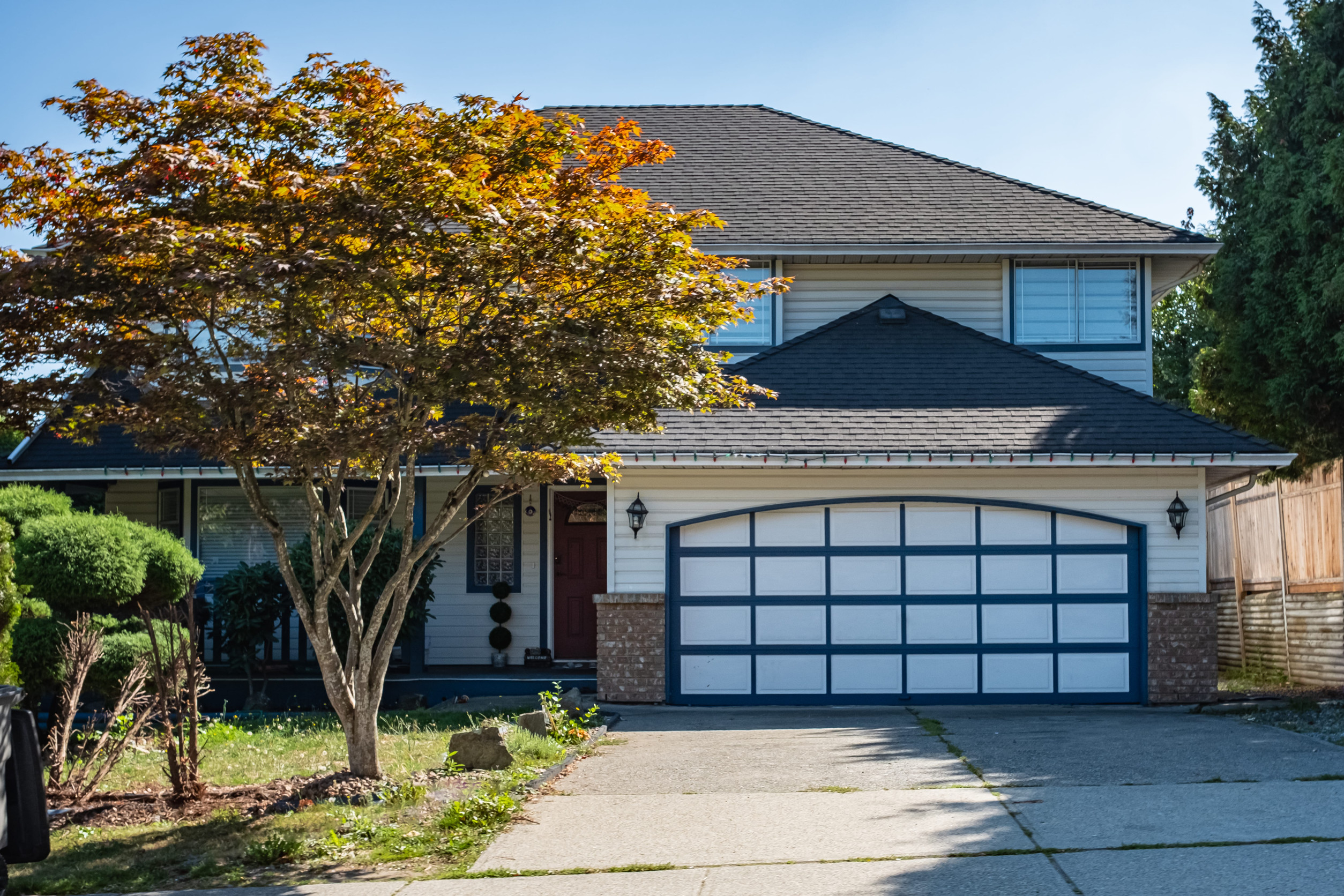
Homes in Murrieta, Temecula, and Menifee often have attached garages close to the street or driveway, which makes garage-related vehicle impacts a fairly regular occurrence in this area. A restoration team familiar with local home layouts and construction styles can move through the assessment and repair process more efficiently, since they already understand common framing patterns and garage configurations in the region.
Families should expect regular updates throughout each stage, along with a project manager who can answer questions about timeline changes, material selections, or insurance coordination. A home disrupted by vehicle impact is stressful enough without also feeling left in the dark about what happens next.
Common Mistakes Families Make After a Vehicle Impact
Waiting too long to secure the damaged area is one of the most frequent mistakes, often because families are focused on the immediate aftermath, injuries, or dealing with the driver and police. Every hour a damaged wall sits open increases the risk of weather damage or a break-in, so board-up should never be an afterthought.
Another common mistake is assuming the visible damage is the only damage. Structural issues from a vehicle impact are not always obvious, and a family that only repairs the section that looks broken sometimes misses shifted framing or a cracked foundation nearby that continues to cause problems.
Families also sometimes wait on their own homeowner’s claim while trying to sort out fault and the driver’s insurance first. This back and forth can add weeks to a timeline that could have started moving immediately. Filing early and letting the insurance companies coordinate separately usually leads to a faster overall recovery.
Frequently Asked Questions
Is vehicle impact damage covered by homeowners insurance?
Yes, homeowners insurance typically covers vehicle impact damage to a home. If the driver was at fault, their auto insurance may also become involved, and the two insurers usually coordinate coverage details separately from the repair timeline.
How fast should a damaged wall be boarded up after a vehicle impact?
A damaged wall should be boarded up the same day the impact happens. Leaving the area exposed overnight increases the risk of weather damage, pest entry, or unauthorized access, all of which can add to the overall repair cost.
Can a home still be structurally safe if the damage looks minor?
Not always. Vehicle impacts can crack foundations or shift framing that is not visible without a professional inspection. A structural assessment is the only reliable way to confirm whether a home is safe after this type of damage.
Should I file with my own insurance or wait on the driver's insurance?
Filing with your own homeowners insurance first typically gets the board-up and repair process started faster. The two insurance companies can work out fault and reimbursement between themselves while repairs move forward.
How long does it take to repair vehicle impact damage to a home?
Timelines depend on the extent of the damage. Minor cosmetic repairs might take a few days, while damage affecting load-bearing walls or foundations can take several weeks, especially if permits are required for structural work.
Bringing It All Together
A vehicle hitting a home is a jarring, unexpected event, but the recovery process follows a clear path once a family knows what to expect. Securing the home quickly, getting a proper structural assessment, documenting everything for insurance, and working with one team through the repair process all help turn a stressful situation into a manageable one.
At Five Star Restoration, we handle every stage of this process for families across Murrieta, Temecula, and Menifee, from the first emergency board-up through full reconstruction. Our team manages the insurance coordination and structural repairs together, so families are not left juggling separate contractors or unanswered questions while their home gets put back together. Head to our website to contact us today!