
- Sewage backups spread dangerous bacteria fast and can damage your home within hours, so acting quickly keeps your family safe and limits repairs.
- Professional sewage cleanup teams remove waste, disinfect surfaces, dry affected areas, and restore damaged materials to make your home safe again.
- Homeowners can prevent backups by maintaining plumbing, avoiding clogs, and working with trusted local experts like Five Star Restoration for 24/7 emergency help.
When sewage backs up into your home, it’s a health hazard not a mere inconvenience. Raw sewage carries bacteria, viruses, and harmful gases that can quickly spread illness and cause structural damage. Whether it starts in your bathroom, basement, or yard, a sewage backup needs quick, careful cleanup from professionals who know how to restore your home safely.
In this blog, we’ll walk through what causes sewage backups, the dangers they pose, and how professional sewage cleanup works from start to finish. We’ll also share steps you can take right now to limit damage and prevent future problems.
What Counts as a Sewage Backup?
A sewage backup happens when wastewater from your toilets, sinks, or drains flows in the wrong direction—back into your home instead of out through the sewer line. It can involve gray water (from sinks and showers) or black water (from toilets and sewers).
Common sources include:
- Main Sewer Line Clogs: Blockages from debris, grease, or tree roots.
- Broken or Collapsed Pipes: Older homes in Southern California often have aging clay or cast-iron pipes that can crack or collapse.
- Heavy Rain or Flooding: During storms, overloaded municipal systems can push sewage back into residential lines.
- Improper Disposal: Flushing wipes, paper towels, or feminine hygiene products can clog lines quickly.
A backup doesn’t always look dramatic at first. Slow drains, gurgling toilets, or foul odors can all hint that wastewater is pushing back against the system. Catching these signs early can save you from a full-blown emergency.
Why Sewage Cleanup Is a True Emergency
When sewage enters your home, you’re dealing with contaminated water that contains E. coli, Salmonella, and other pathogens. Breathing near or touching affected areas can cause serious illness. Moisture also seeps quickly into drywall, flooring, and furniture, turning what starts as a plumbing issue into a widespread contamination problem.
Within hours, sewage can:
- Soak into porous materials like wood and drywall.
- Promote rapid mold growth.
- Create strong, lingering odors.
- Damage electrical wiring or appliances.
- Weaken structural elements of your home.
That’s why emergency sewage cleanup isn’t just about removing the water but about restoring your home to a safe, livable condition.
Common Causes of Sewage Backups in Homes
Understanding what causes backups helps you prevent them. The most frequent issues include:
- Clogged Drain Pipes: Accumulated grease, hair, or debris restricts flow, forcing wastewater backward.
- Tree Root Intrusion: Roots naturally seek moisture and can break into pipes through small cracks.
- Aging or Damaged Sewer Lines: Corrosion or shifting soil can cause lines to collapse or leak.
- Heavy Rainfall and Flooding: When city sewers overflow, pressure can push wastewater back into lower-level drains.
- Improper System Design: Poor grading or plumbing installation can increase the risk of backups, especially in older homes.
In Southern California, where ground movement and drought can shift soil and crack old lines, these problems are more common than many homeowners realize.
Health Risks of Sewage Exposure
Sewage is considered Category 3 water—the most hazardous type of water damage. It contains microorganisms, organic waste, and toxic gases like methane and ammonia. Even short-term exposure can cause skin irritation, respiratory problems, or gastrointestinal illness.
Key risks include:
- Pathogens: Bacteria and viruses that spread disease through touch or inhalation.
- Mold Growth: Moisture from sewage can lead to mold infestations within 24–48 hours.
- Airborne Toxins: Spores and gases can circulate through HVAC systems, contaminating the entire home.
Because of these risks, professional sewage cleanup is the only safe option. Household cleaners and fans can’t eliminate all contamination, and disturbing sewage can actually spread it further.
Step-by-Step: What to Do Immediately
If sewage backs up, stay calm but act fast. Here’s what to do before professionals arrive:
Get Everyone Out of the Affected Area
Keep children, elderly family members, and pets far from the mess. Sewage water isn’t just dirty; it’s loaded with bacteria, viruses, and other harmful contaminants. Even brief contact can cause illness. Don’t try to clean or mop anything at this stage. Focus on keeping people safe.
Cut the Power if the Water Level Is Rising
If you notice standing water near outlets, appliances, or electrical cords, turn off the electricity from your main breaker. But remember to do it safely and without stepping into the water. Electricity and contaminated water are a dangerous mix. If you’re unsure, wait for professionals who have protective gear and insulated tools.
Stop Using Any Plumbing Fixtures
Don’t flush toilets, run sinks, or start the dishwasher. All of these can push more wastewater into your home. The backup usually means your main sewer line is blocked or damaged, so any additional water flow can worsen the overflow.
Avoid Contact With Anything That’s Been Touched by the Sewage
Even items that look only slightly damp could be contaminated. That includes rugs, furniture, drywall, and flooring. Resist the urge to move or salvage items until experts can assess what’s safe to keep and what needs to be discarded. Touching or breathing near sewage-affected areas without protection can lead to infections or respiratory issues.
Call for 24/7 Emergency Help Immediately
Once you’ve secured the area and stopped additional water flow, contact a professional sewage cleanup service like Five Star Restoration right away. Our team can arrive fast, assess the cause, and begin containment using specialized tools and disinfectants. The faster we start, the less your home and belongings will suffer.
Document the Damage Safely
If it’s safe to do so, take photos or videos from a distance before the cleanup begins. This can help with insurance claims later. Do not move items or step into contaminated water—snap quick shots from doorways or dry areas only.
Ventilate, but Carefully
Open windows or doors in unaffected rooms to let in fresh air, but avoid turning on fans or your HVAC system. Airflow can spread contaminated particles to clean areas if not handled correctly. Professionals will use air scrubbers and filters to do this safely once they arrive.
Every minute counts in an emergency sewage cleanup, and knowing what to do in those first few moments can limit damage, speed up restoration, and reduce long-term costs.
The Professional Sewage Cleanup Process Explained
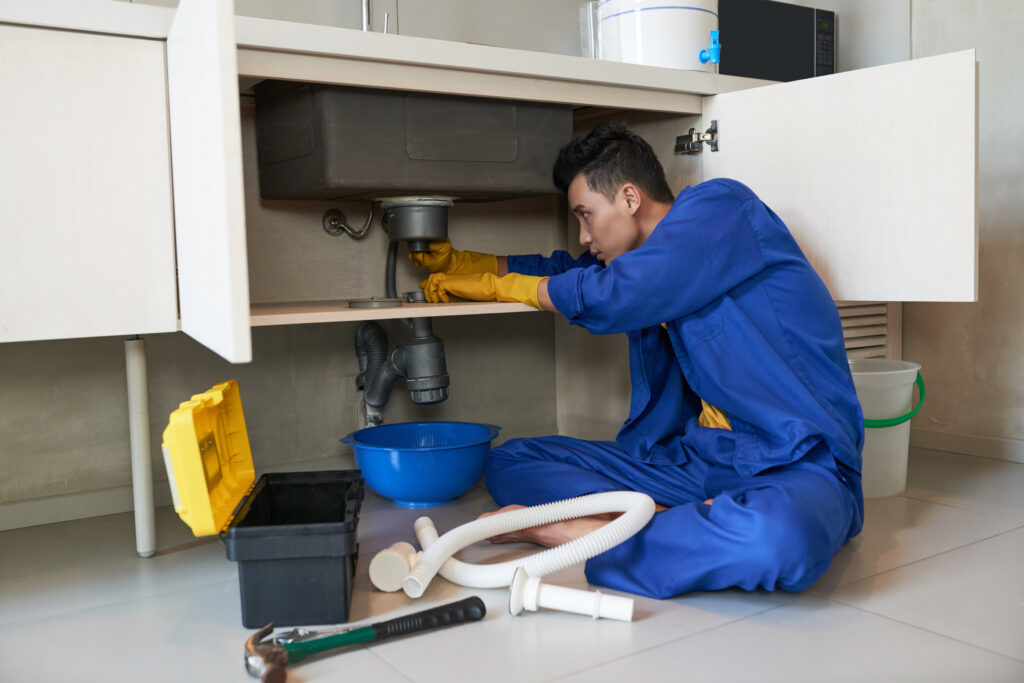
Professional teams follow a detailed process designed to remove contamination completely and restore your home safely.
Inspection and Assessment
Experts use moisture meters and inspection cameras to find hidden contamination and locate the source of the backup. They’ll determine which materials can be salvaged and which must be removed.
Containment and Safety Setup
To prevent cross-contamination, technicians seal off affected areas with plastic barriers and establish negative air pressure. They wear protective suits, masks, and gloves to work safely.
Extraction and Removal
Using specialized pumps and vacuums, they remove standing sewage and contaminated water. All unsalvageable materials, like carpet, drywall, and insulation, are bagged and safely disposed of.
Deep Cleaning and Disinfection
Surfaces are scrubbed and disinfected with antimicrobial solutions. HEPA air scrubbers remove airborne spores and bacteria. Every inch of the area is cleaned to make sure no contamination remains.
Drying and Dehumidification
Industrial fans and dehumidifiers dry the area thoroughly to prevent mold growth. Moisture readings confirm when everything has reached safe levels.
Repairs and Restoration
Finally, damaged sections are rebuilt or replaced, from flooring and drywall to cabinets or baseboards. The goal is to return your home to its pre-damage condition, both visually and structurally.
This process not only removes visible waste but also ensures your air and surfaces are clean and safe again.
Dealing with Insurance and Cleanup Costs
Most homeowners’ insurance policies cover sewage backups caused by sudden, accidental events, but not those from poor maintenance or neglect. Adding a sewer backup endorsement can protect you from major costs in the future.
Here’s how professional restoration teams help:
- Documenting all damage with photos and reports
- Communicating with your insurance adjuster
- Providing accurate estimates for repairs
- Preventing delays that could lead to denied claims
At Five Star Restoration, we work directly with insurance companies, helping you navigate the process smoothly while focusing on getting your home back to normal.
Preventing Sewage Backups: Maintenance and Tips
While not every sewage backup can be avoided, proper maintenance goes a long way. Use these tips to protect your home:
- Install a Backwater Valve: This device stops wastewater from flowing backward into your home.
- Avoid Flushing Wipes and Grease: Even “flushable” wipes don’t dissolve properly and can clog pipes.
- Inspect Your Plumbing Regularly: Annual checks can catch cracks, leaks, and blockages early.
- Maintain Good Drainage Outside: Keep gutters clean and grade soil away from your foundation.
- Trim Nearby Trees: Roots naturally search for water and can invade sewer lines through tiny openings.
- Add a Sump Pump in Flood-Prone Areas: It keeps water from building up near your foundation.
Proactive care prevents the stress and expense of emergency repairs later.
Choosing the Right Restoration Company
When dealing with sewage, you can’t afford trial and error. You need a team trained in emergency sewage cleanup with the right equipment, certifications, and local experience. Look for:
- 24/7 emergency availability
- Licensed and certified technicians trained in water and biohazard cleanup.
- Transparent communication about damage, timelines, and costs.
- Proven experience with insurance claims and home reconstruction.
At Five Star Restoration, we offer all of this and more. Based in Murrieta, we’re familiar with local plumbing issues, soil conditions, and municipal systems, which means faster, more precise solutions for Southern California homeowners.
If you’re facing a sewage backup or notice early warning signs, don’t wait. Call us: (951) 368-2227 at Five Star Restoration today for fast, reliable sewage backup cleanup across Murrieta, Temecula, and surrounding areas. Our team is available 24/7 to handle contamination, repair damage, and bring your home back to safety.